

 Aether
Are you reading this in a panic because of an Italo train strike in Italy?
Don’t worry. Here is the 3-step solution based on my real experience!
What to Do if Your Italo Train Is Affected by a Strike (Quick Summary)
- Check the “Guaranteed List”: Not all trains are cancelled. Check the official PDF on the Italo website immediately.
- Go to the Station Counter: If your train is cancelled, staff can often switch you to a guaranteed train at no extra cost, depending on your ticket conditions.
- Secure a “Plan B” (Crucial): If trains are full or you are nervous, book a bus seat immediately (for example, I use Omio to search buses and trains in English).
It was a calm evening in Venice. I had just checked into my hotel and felt relaxed and happy.
Suddenly, I overheard an Indian couple at the front desk asking the staff:
“There is a big strike in two days. If the trains don’t run, can we extend our stay?”

Wait. A strike?
I froze. I had an Italo train booked from Venice to Florence (Train 8925) for that exact day.
In my case, I never received an email in advance. I checked the app, but there was no notification.
If I hadn’t overheard that conversation, I would have gone to the station as normal and only discovered the strike at the last moment.
In this guide, I will share my real “crisis management” experience. I’ll explain how to find Italy train strike guaranteed trains, how the refund process works, and how to find an Italy transport strike alternative so you don’t get stuck.
1. Immediate Solution: Check the “Guaranteed Trains Italo” List
 Aether
First, take a deep breath. In Italy, a “strike” usually does not mean all trains are cancelled. Some trains are required by law to run during peak hours (usually 6:00-9:00 and 18:00-21:00). We call these “Guaranteed Trains”.
How to check if YOUR train is running
Step 1: Get the Official List. Go to the official Italo website. During a strike, you will usually see a “Strike Notice” banner on the top page. Click it to download the “Guaranteed trains Italo (Lista treni garantiti)” PDF.
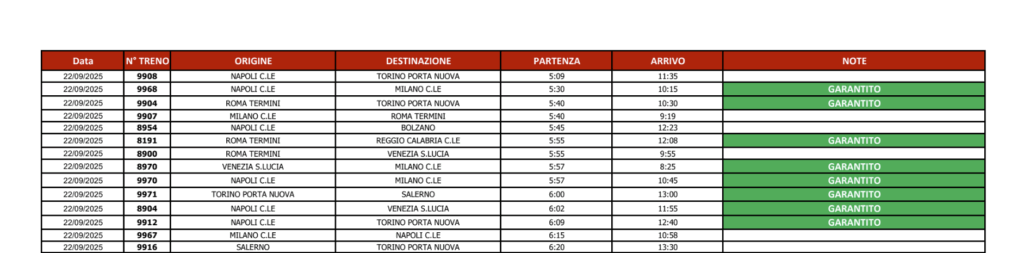
Step 2: Find Your Train Number. Check your ticket or booking email to find your Train Number (e.g., 8925).
Search for that number in the PDF list and look at the right column.
- If it says “GARANTITO“ (Guaranteed): Good news! Your train is guaranteed to run.
- If the column is blank: Unfortunately, your train is not protected as a guaranteed train, so there is a real risk it may be cancelled.
My Experience: Train 8925

In my case, I desperately searched for my train number, Italo 8925.
The result? It was not marked “GARANTITO”.
But here is the confusing part: Even though the train was not guaranteed, the Italo website was still selling tickets for it!
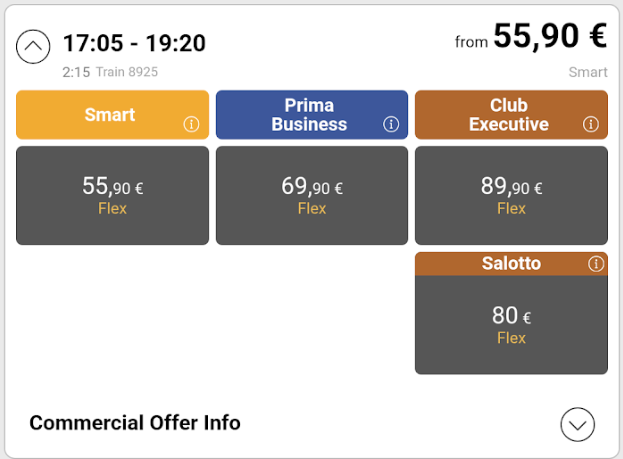
This was very confusing. It looked like a normal train on the “Buy ticket” screen, but in the PDF it was treated as “at risk”.
Key takeaway: During a strike, the booking screen alone does not tell you whether a train is guaranteed. A ticket can still be on sale even if the train may be cancelled.
For safety, use the PDF guaranteed list as your main reference, and then check the booking screen.
2. Talk to Italo Staff at the Station Counter (First Option)
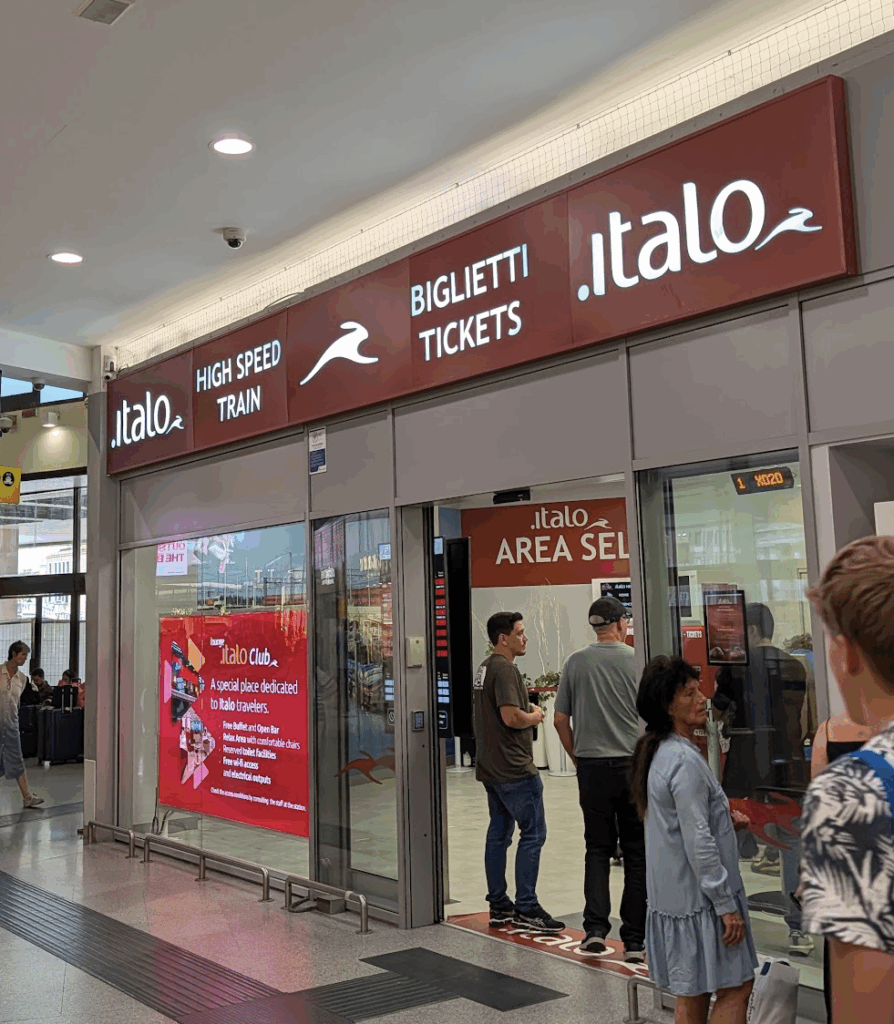
If your train is not on the guaranteed list, your first step should be to talk to Italo staff at the station.
At the counter, they can:
- confirm whether your train is expected to run, and
- if it is not guaranteed, they can often move you to a guaranteed train at no extra cost, depending on your ticket conditions.
In my case, when I spoke to the staff the next morning, they said:
So whenever possible, try the counter first. It is the most official and usually the simplest solution.
3. Plan B: Use a Bus via Omio When You Can’t Get Help
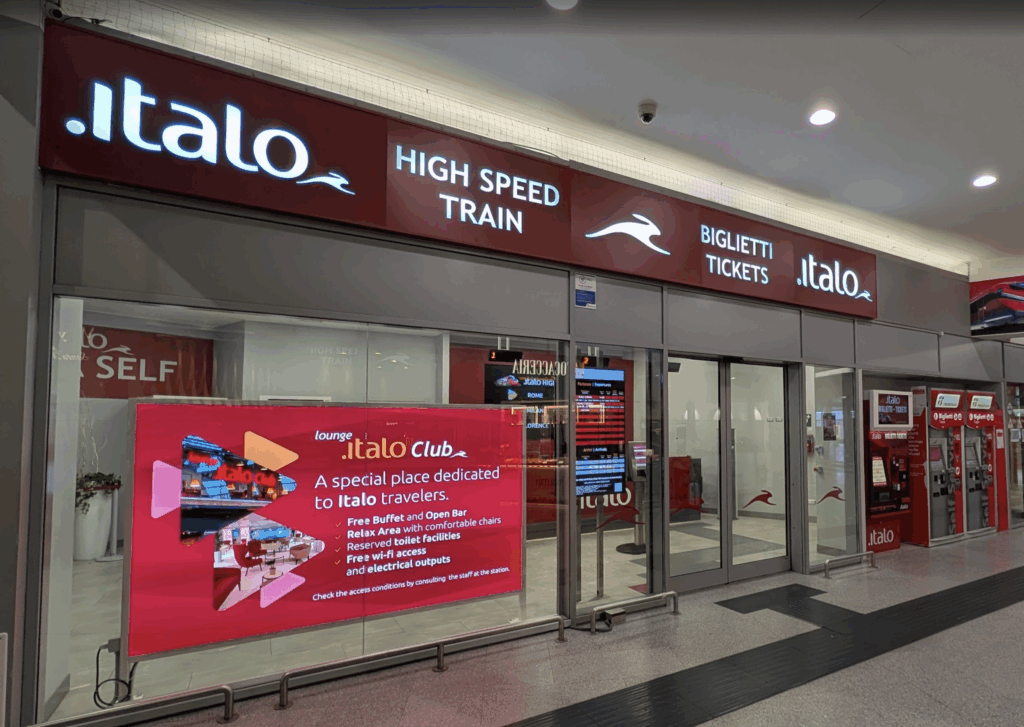
Of course, sometimes the counter is closed, the line is extremely long, or you simply cannot wait because you are travelling with family or have a tight schedule.
In those situations, it is safer to prepare a Plan B.
During a strike, when some trains are cancelled or disrupted, many people turn to long-distance buses. Seats can sell out quickly.
From my experience, having a bus option as an alternative is the most practical safety net.
I personally use Omio, because it lets me compare:
- long-distance buses (such as FlixBus),
- trains, and
- sometimes flights,
all in one screen, in English.
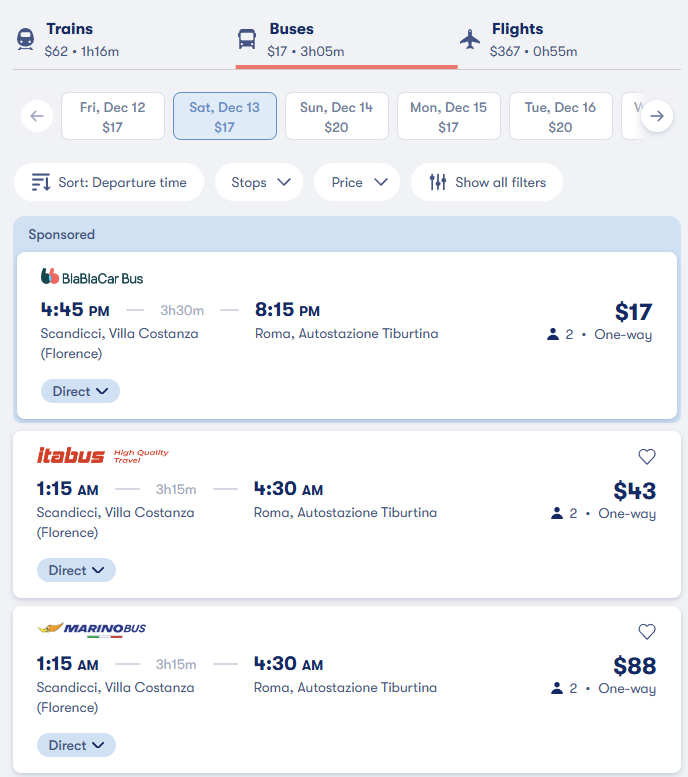
Practical tip:
If you already know you cannot rely on the station counter — for example, you arrive late at night, or you are travelling with children — it can reduce stress to reserve a bus seat in advance as a backup.
4. My Double-Booking Mistake & What I Learned About Refunds
 エーテル
エーテルHere is the money part of my story.
Because I arrived late and the counter was already closed, I decided to “play it safe” in a way that actually cost me money.
The “Safety” Ticket I Bought for Peace of Mind
When I checked the guaranteed list, my train (8925) was not marked “GARANTITO”.
By the time I reached Venice Santa Lucia station, the Italo counter had closed for the day (it was after 20:00).
I didn’t want to risk being stuck in Venice with no hotel booked for the next night, so I decided to book an extra ticket on my smartphone:
- Original ticket (early-bird): €31.90
- New “safety” ticket on a guaranteed train: €69.90
I slept well that night, thinking I had secured a safe option.
In my mind, the worst case was “no trains and no hotel.”
The Next Morning: What the Counter Offered
The next morning I went to the Italo office early and explained the situation.
The staff checked my original booking and said:
“Your train is not guaranteed. We can switch you to the next guaranteed train for free.”
Ironically, the free replacement they offered was exactly the same train I had paid €69.90 for the night before.
How the Refund Worked (The Numbers)
I asked what would happen to the second ticket I had bought myself.
Because I purchased that second ticket voluntarily, the normal cancellation rules applied:
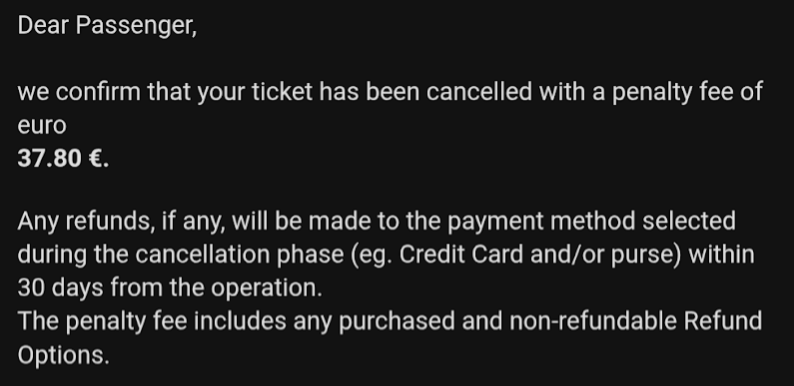
- Ticket price: €69.90
- Refund: €32.10 (after standard fees)
- My loss: about €37.80
 エーテル
エーテルIt was a painful “learning fee”, but it taught me something important.
5. Summary: Best Strategy for Cautious Travelers
エーテルIf you encounter a strike, don’t panic.
Use this decision table to decide your next move:
A Final Message
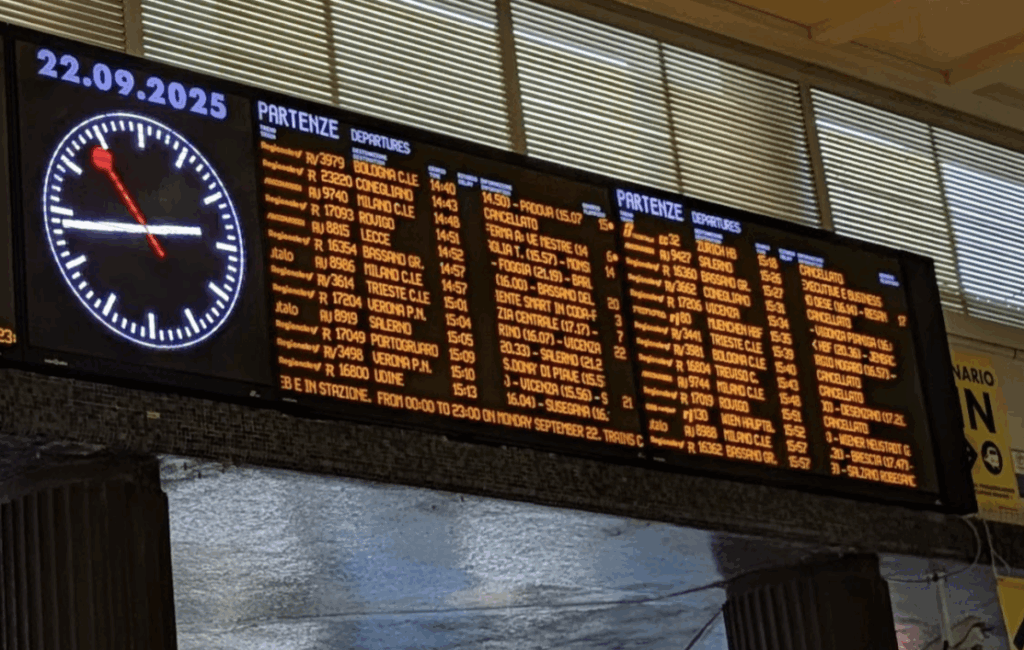
Trouble is part of travel. I was sweating in Venice that day, staring at the departure board, but now it has become a good story to share with you.

Stay calm, check the guaranteed list, and have a safe trip!
During my own strike experience, Omio was the tool that stopped me from panicking. You can quickly check buses and remaining train seats using the button above.
FAQ: Common Questions About Italo Train Strikes
- Where can I find the Italo strike information?
-
The official Italo website is the most reliable source. Look for a “Strike” banner on the top page. Information on social media (X/Twitter) is sometimes delayed.
- Will I get a full refund if my train is cancelled?
-
In general, if your train is cancelled by the operator due to a strike or a long delay, EU passenger-rights rules allow you to choose between a refund of the unused part of your ticket or a rebooking. The exact options depend on your fare type and the company’s policy, so check with station staff or the official website.
- I don’t speak Italian. Can I handle this at the station?
-
Yes. In major tourist cities like Venice, Florence, and Rome, station staff usually speak English. If you are worried, using a booking app like Omio allows you to handle everything in English on your phone, which is much less stressful.

Disclaimer: Some links in this article are affiliate links. I only recommend tools I personally use and trust.
\ 最新情報をチェック /


コメント